
How Low Vision Impacts Everyday Life: From Reading to Mobility
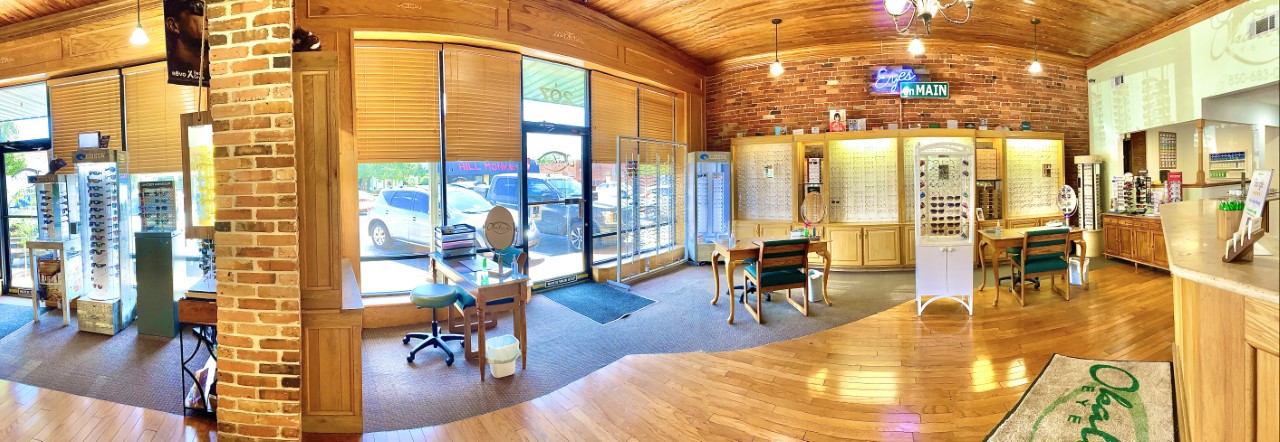
Low vision can affect far more than how clearly someone sees an eye chart. It can change the way a person reads, cooks, shops, drives, moves around their home, and stays independent. For patients in Crestview, low vision care at Okaloosa Eye Care can help identify what daily tasks have become difficult and what tools, strategies, or vision support may make life easier.
What Is Low Vision?
Low vision refers to vision loss that cannot be fully corrected with regular glasses, contact lenses, medication, or surgery. It may be caused by conditions such as macular degeneration, glaucoma, diabetic eye disease, retinal disease, eye injury, or other vision-related concerns.
Many people with low vision still have some usable sight, but everyday activities may require more effort. A person may struggle with reading small print, recognizing faces, judging steps, seeing contrast, or moving safely through unfamiliar spaces. The goal of low vision care is to help patients use their remaining vision as effectively as possible.
How Low Vision Affects Reading
Reading is one of the most common challenges for people with low vision. Books, menus, medication labels, bills, phone screens, and mail may become harder to see. Some patients in Crestview notice that they need brighter lighting, larger print, or more time to focus on words.
Low vision can also make reading tiring. If the eyes are working harder to identify letters or follow lines of text, a short task can become frustrating. Magnification, improved lighting, high-contrast materials, and digital tools may help make reading more comfortable.
How Low Vision Affects Mobility
Low vision can make it harder to move confidently through the world. Steps, curbs, uneven sidewalks, furniture edges, and changes in flooring may be difficult to judge. Some people feel less secure walking in dim lighting or crowded spaces.
In Crestview, this can affect daily routines like grocery shopping, attending appointments, walking through parking lots, or visiting family. Low vision care may include recommendations that support safer mobility, such as contrast improvements, lighting changes, organized home layouts, or referral for additional support when needed.
Daily Tasks That May Become Harder
Low vision affects each person differently. Some patients struggle mostly with close-up tasks, while others have difficulty with side vision, glare, or contrast.
Common challenges may include:
- Reading books, labels, menus, and mail
- Seeing phone screens, computers, or remote controls
- Recognizing faces across a room
- Managing medications safely
- Cooking, measuring, or using appliances
- Walking in low light or unfamiliar spaces
- Driving or feeling confident with transportation
If these tasks are becoming difficult, a low vision evaluation can help determine what kind of support may be appropriate.
Why A Standard Prescription May Not Be Enough
Many people with low vision have already tried stronger glasses and still struggle. This can feel discouraging, but it does not mean nothing can be done. Low vision care looks beyond a standard prescription and focuses on practical function.
At Okaloosa Eye Care in Crestview, the team can evaluate how vision loss is affecting daily life and discuss options that may improve comfort and independence. This may include specialized lenses, magnification, lighting recommendations, contrast strategies, or other tools based on the patient’s needs.
Supporting Independence With Low Vision Care
The purpose of low vision care is not only to measure vision loss. It is to help patients continue doing the things that matter to them. That may mean reading more comfortably, navigating the home more safely, using technology more easily, or finding better ways to complete everyday tasks.
Family members can also play an important role. Helping improve lighting, reduce clutter, organize commonly used items, and label important objects can make daily life easier for someone with low vision.
When To Schedule A Low Vision Evaluation
If vision loss is interfering with reading, mobility, hobbies, work, or independence, it is time to schedule an evaluation. Low vision support can be helpful even when vision cannot be fully restored. The right tools and strategies can make everyday life feel more manageable.
Schedule your low vision evaluation with Okaloosa Eye Care at 207 North Main Street, Crestview, FL 32536. Call (850) 608-0003 to book your appointment.


Our Services
Contact Info
Hours of Operation
- Monday 8:00 AM - 5:00 PM
- Tuesday 8:00 AM - 5:00 PM
- Wednesday 8:00 AM - 5:00 PM
- Thursday 8:00 AM - 5:00 PM
- Friday 8:00 AM - 2:00 PM
- Saturday On Call
- Sunday On Call
© 2026 Okaloosa Eye Care - All rights Reserved - Accessibility Statement - Sitemap
Powered by:


